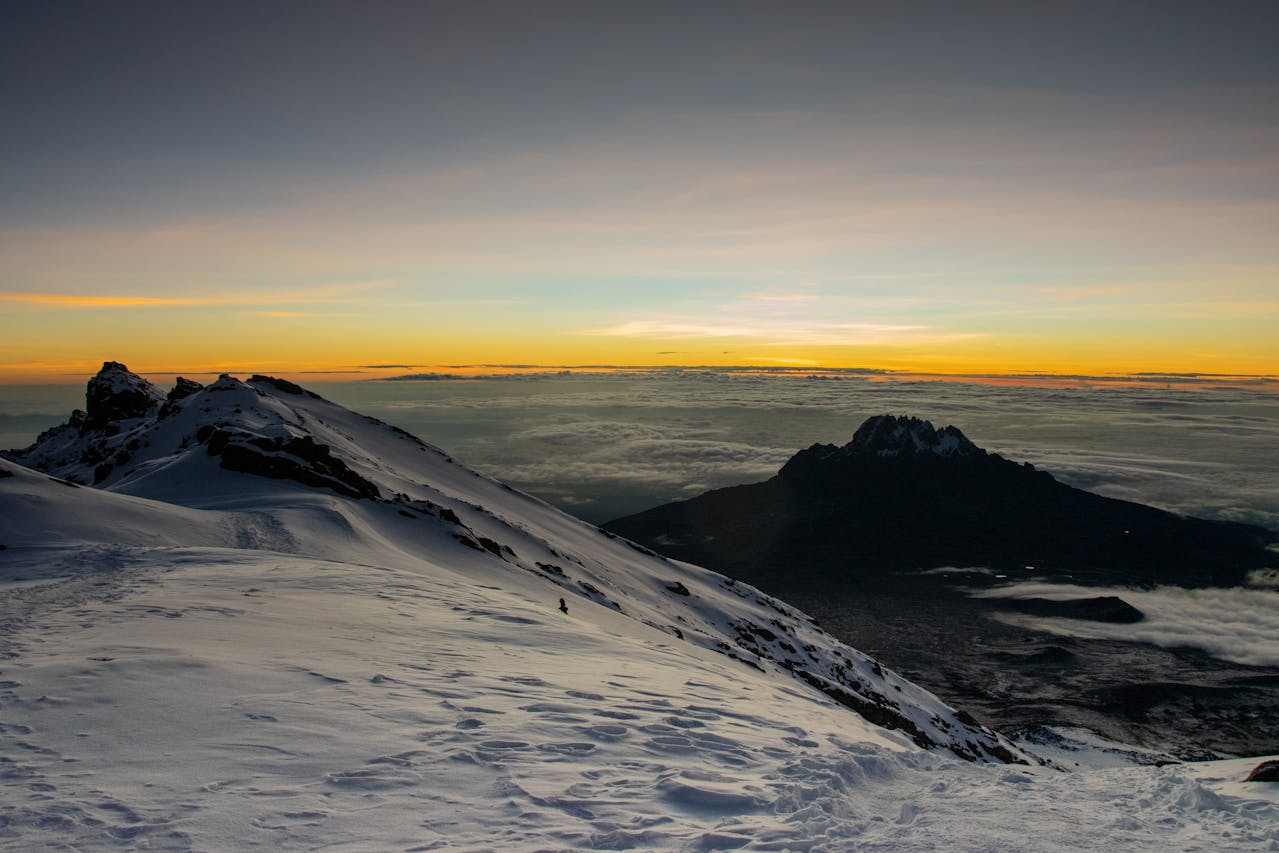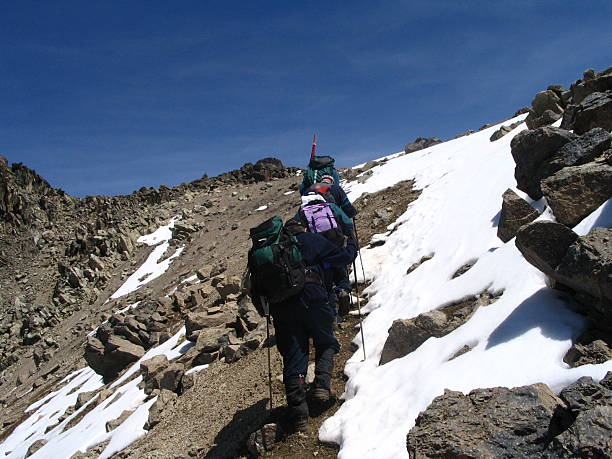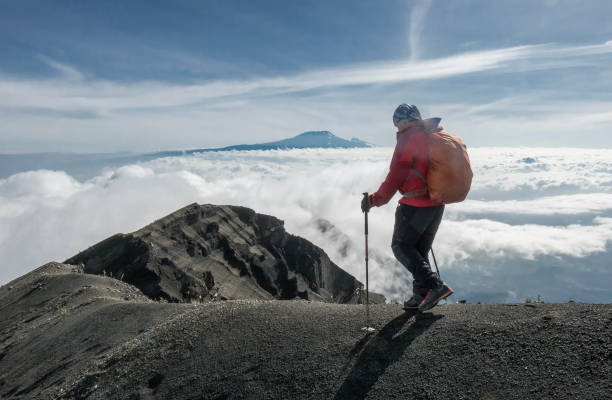
The 7 Days Machame Route Kilimanjaro Climb is a popular option for trekkers who want additional time on the mountain compared with the faster six-day itinerary.
The route starts at Machame Gate on the southwestern side of Mount Kilimanjaro. Climbers begin inside a dense montane rainforest before gradually entering heath, moorland and the broad landscapes around Shira Plateau.
Higher on the mountain, the route approaches Lava Tower at approximately 4,630 meters. Climbers then descend to Barranco Camp, creating an important climb-high and sleep-lower stage.
The following morning includes the famous Barranco Wall before the trail continues toward Karanga Camp. Unlike the six-day itinerary, the seven-day version stops at Karanga for the night instead of continuing directly to Barafu.
Day five is then a shorter climb toward Barafu Camp, allowing more time for food, hydration, rest and summit preparation.
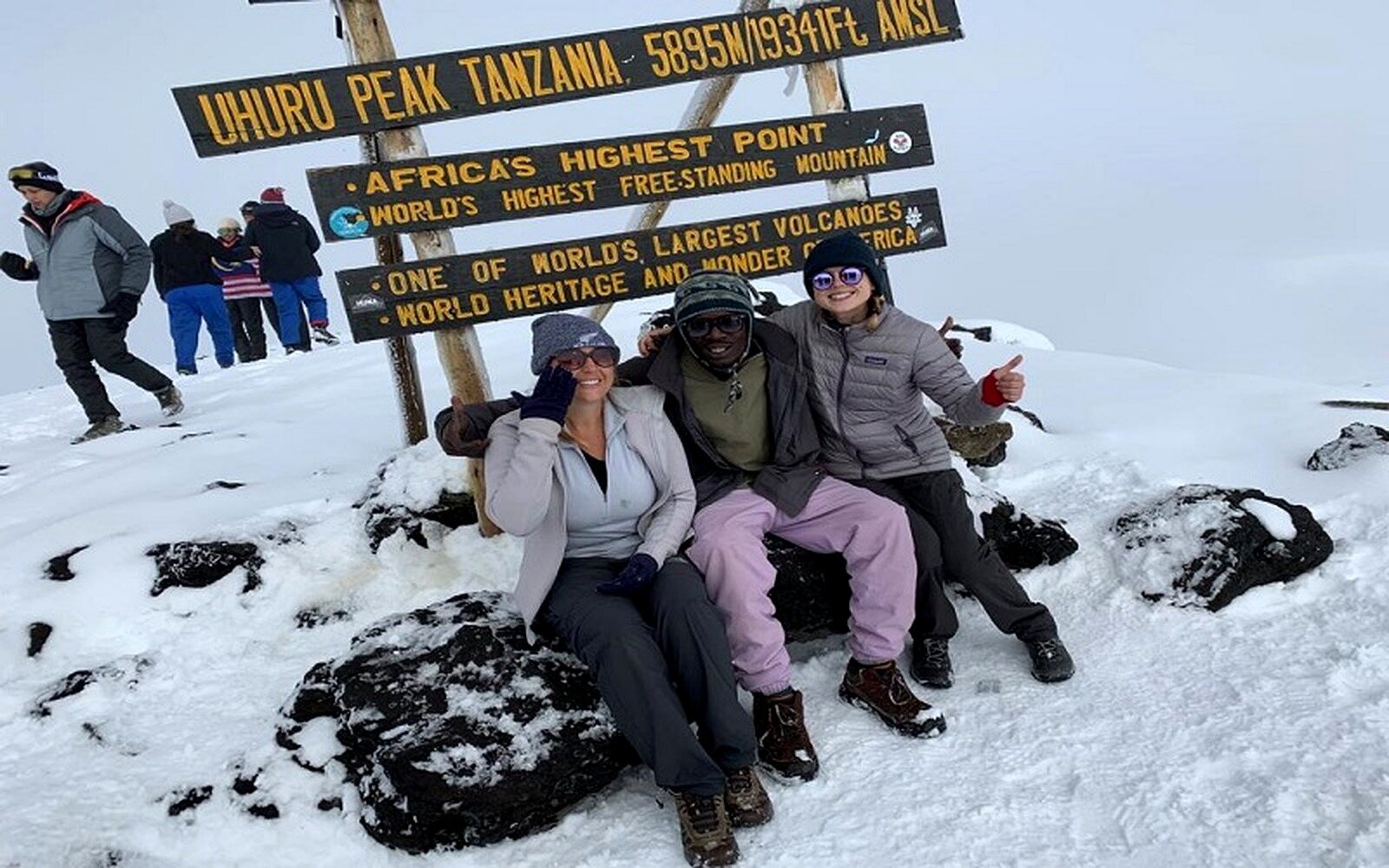
The summit attempt starts during the night from Barafu and follows the high-altitude trail toward Stella Point and Uhuru Peak at 5,895 meters. After reaching the summit, climbers descend through Mweka Camp before finishing at Mweka Gate.
7 Days Machame Route Itinerary at a Glance
7 Days Machame Route Altitude Profile
| Day | Route | Approx. Elevation | Main Environment |
|---|---|---|---|
| Day 1 | Machame Gate → Machame Camp | 1,800 m → approx. 3,000 m | Montane rainforest |
| Day 2 | Machame Camp → Shira Camp | 3,000 m → approx. 3,840 m | Heath, moorland and Shira Plateau |
| Day 3 | Shira → Lava Tower → Barranco | 3,840 m → 4,630 m → approx. 3,960 m | High moorland and alpine terrain |
| Day 4 | Barranco → Karanga | 3,960 m → approx. 4,035 m | Barranco Wall and alpine terrain |
| Day 5 | Karanga → Barafu | 4,035 m → approx. 4,673 m | Alpine desert |
| Day 6 | Barafu → Stella Point → Uhuru Peak → Mweka | 4,673 m → 5,756 m → 5,895 m → approx. 3,100 m | Summit zone and descent |
| Day 7 | Mweka Camp → Mweka Gate | Approx. 3,100 m → approx. 1,640 m | Rainforest descent |
7 Days Machame Route Distance and Trekking Time
| Day | Trekking Section | Approx. Distance | Approx. Walking Time |
|---|---|---|---|
| Day 1 | Machame Gate → Machame Camp | About 11 km | Approximately 5–7 hours |
| Day 2 | Machame Camp → Shira Camp | About 5 km | Approximately 4–6 hours |
| Day 3 | Shira → Lava Tower → Barranco | About 10 km | Approximately 6–8 hours |
| Day 4 | Barranco → Karanga | About 5 km | Approximately 4–5 hours |
| Day 5 | Karanga → Barafu | About 4 km | Approximately 3–4 hours |
| Day 6 | Barafu → Uhuru Peak → Mweka | Long summit day | Often around 12–16 hours total |
| Day 7 | Mweka Camp → Mweka Gate | About 10 km | Approximately 3–5 hours |
7 Days Machame Route Kilimanjaro Detailed Itinerary
Machame Gate to Machame Camp
The climb begins with a transfer from your hotel toward Machame Gate on the southwestern side of Mount Kilimanjaro. Before departure, the Epic Summit Safaris mountain team checks important equipment and completes the final expedition preparations.
At Machame Gate, the lead guide manages the required registration and park procedures while the porter team organizes food, tents and group equipment.
Once registration is complete, the trek begins through dense montane rainforest. This lower ecological zone is normally greener and more humid than the higher sections of Kilimanjaro.
Tall trees, mosses and ferns line the trail, and rain can occur during different periods of the year. Waterproof hiking boots and rain protection are therefore important.
Climbers are encouraged to walk slowly from the beginning because the route gains substantial elevation during the first day.
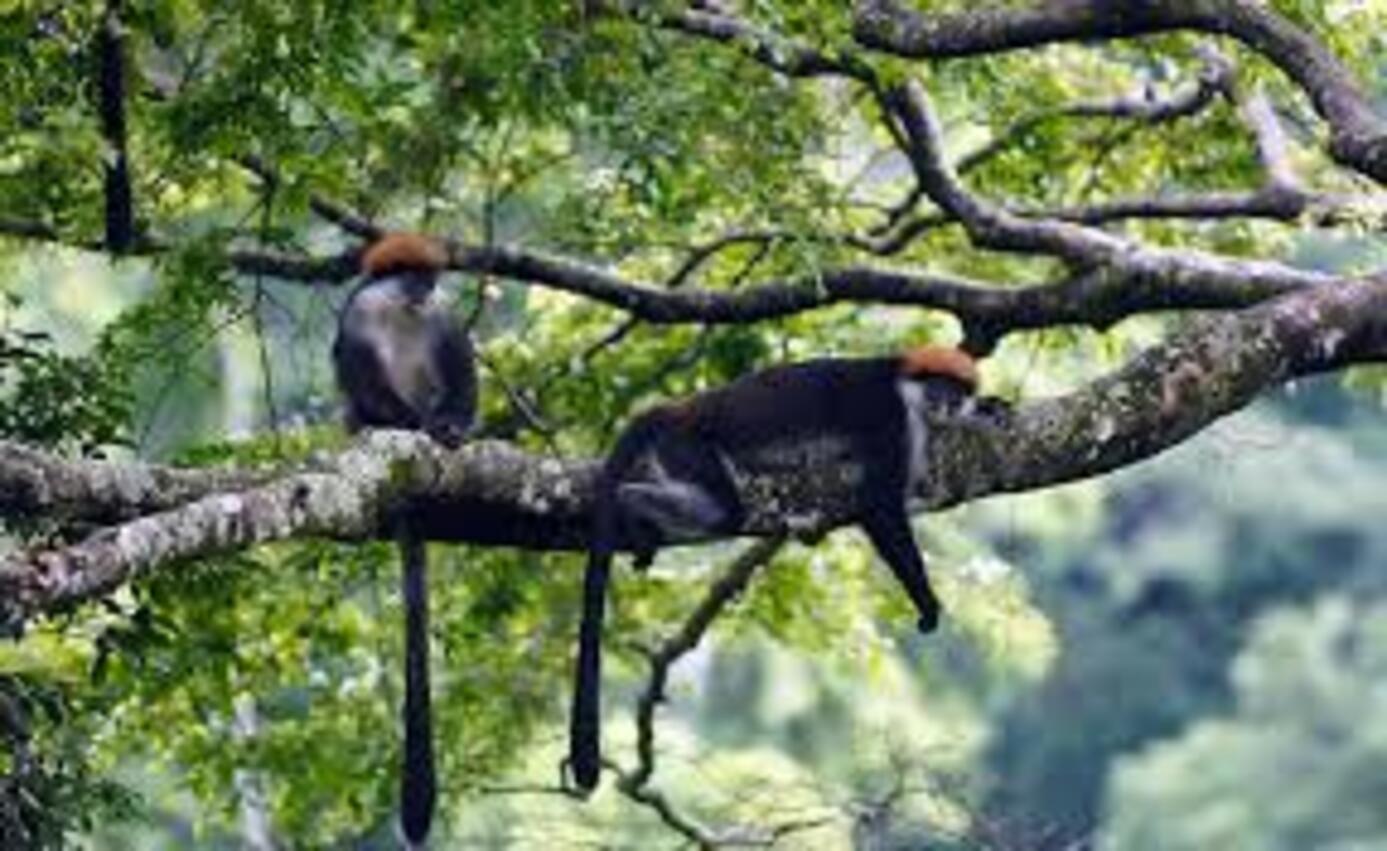
Depending on natural conditions, monkeys and several bird species may occasionally be observed or heard along the forest trail.
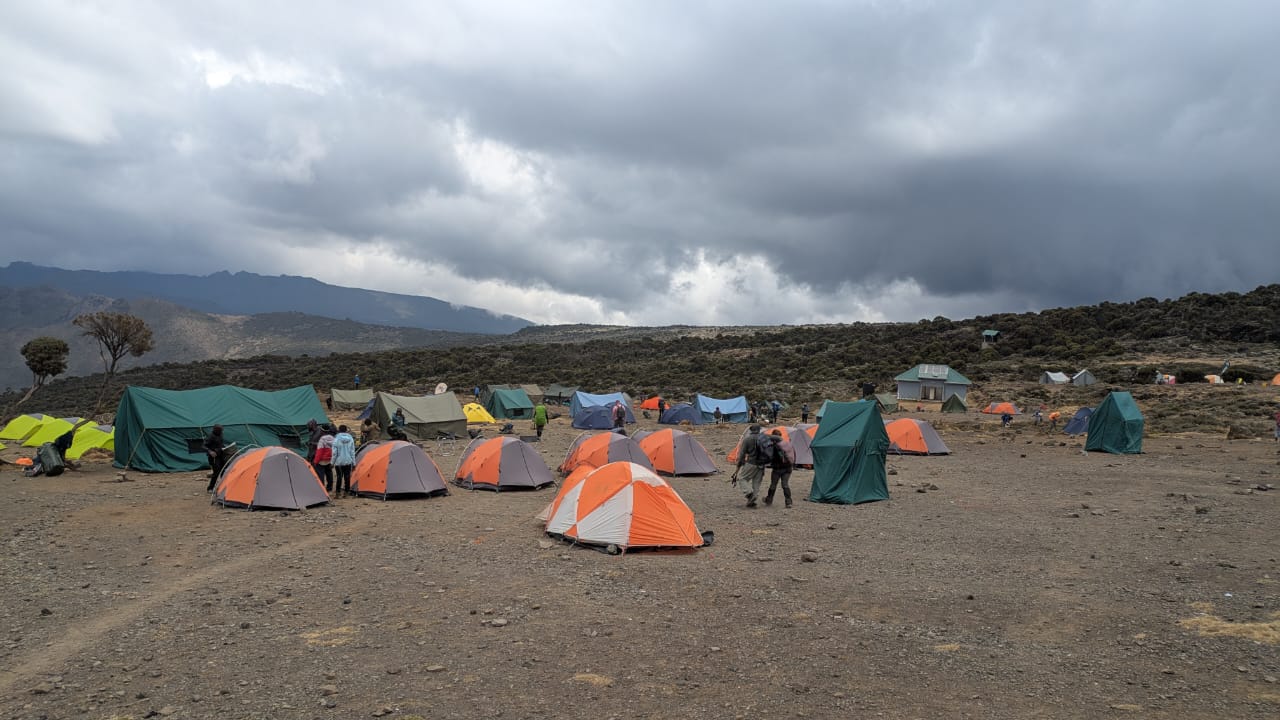
After several hours of trekking, the route reaches Machame Camp at approximately 3,000 meters.
The support crew prepares dinner and camp while climbers rest and prepare for the following day's ascent toward Shira.
Machame Camp to Shira Camp
After breakfast, the trail continues upward and gradually leaves the dense rainforest behind.
The vegetation changes to heath and moorland as the group gains altitude. Views become wider and the terrain increasingly rocky.
Although today's trekking distance is shorter than Day 1, the route continues to gain considerable elevation.
The guide maintains a controlled pace and encourages regular hydration as the body adapts to the changing altitude.
On clear days, climbers may see the upper slopes of Kibo and distant Mount Meru.
The trail approaches the Shira Plateau, a broad ancient volcanic landscape on the western side of Kilimanjaro.
Shira Camp lies at approximately 3,840 meters. After arrival, the group rests and prepares for the important Lava Tower acclimatization stage the following day.
Shira Camp to Lava Tower and Barranco Camp
Day three is one of the most important acclimatization days on the Machame Route.
The group leaves Shira and continues through increasingly dry terrain toward Lava Tower.
The route reaches approximately 4,630 meters around Lava Tower, considerably higher than the altitude of the previous night's camp.
Depending on weather and timing, the group may stop around Lava Tower for lunch and rest.
The guide continues monitoring how climbers respond to the elevation and encourages anyone experiencing unusual symptoms to communicate them immediately.
After reaching the day's high point, the trail descends toward Barranco Valley.
Sleeping lower after reaching a higher elevation earlier in the day creates a useful acclimatization pattern.
Barranco Camp sits at approximately 3,960 meters directly beneath the impressive Barranco Wall.
Barranco Camp to Karanga Camp
The fourth trekking day begins with the famous Barranco Wall.
From the campsite, the wall appears very steep. However, the established Machame trail follows rocky steps, ledges and switchbacks rather than a technical climbing route.
Some sections require climbers to use their hands for balance. Professional mountain guides assist the group where necessary.
Reaching the top can provide excellent views of the surrounding valleys and high slopes of Kilimanjaro when weather conditions are clear.
The trail then continues through a series of ridges and valleys toward Karanga.
Karanga Camp stands at approximately 4,035 meters and provides the important additional overnight that distinguishes the seven-day Machame itinerary from the faster six-day option.
The remainder of the day provides time for rest, hydration and further adaptation to altitude before continuing to Barafu.
Karanga Camp to Barafu Camp
After breakfast, the group leaves Karanga and continues toward the high alpine desert.
Vegetation becomes increasingly limited as the trail rises toward Barafu.
The day's trekking distance is relatively short compared with some of the earlier stages, but the elevation remains significant.
The shorter trekking schedule gives climbers more time to arrive at Barafu, eat, hydrate and organize equipment for summit night.
Barafu Camp sits at approximately 4,673 meters and serves as the final base before the summit attempt.
Upon arrival, the lead guide gives a detailed summit briefing.
Climbers prepare thermal layers, insulated jackets, gloves, headlamps, water and summit snacks before resting.
Sleep may be limited because the summit climb normally starts around midnight or late at night.
Barafu Camp to Stella Point, Uhuru Peak and Mweka Camp
Summit day is the longest and most demanding part of the seven-day Machame Route.
Climbers wake during the night and prepare warm summit clothing before leaving Barafu under headlamp light.
The route climbs slowly over steep volcanic terrain toward the crater rim.
Reduced oxygen, low temperatures and several hours of continuous uphill walking make this section physically challenging.
The guides maintain a slow pace and monitor the group carefully.
The first major objective is Stella Point at approximately 5,756 meters.
Stella Point is located on Kilimanjaro's crater rim. Climbers who are physically able to continue then follow the rim toward Uhuru Peak.
Uhuru Peak stands at approximately 5,895 meters above sea level and is the highest point on Mount Kilimanjaro and the African continent.
After summit photographs and a short stop, the descent begins toward Barafu Camp.
Climbers usually rest briefly at Barafu before continuing significantly farther down the mountain toward Mweka Camp.
Mweka Camp sits around 3,100 meters, where the increased oxygen level is noticeably different from the summit zone.
Dinner and the final mountain overnight follow after one of the longest days of the expedition.
Mweka Camp to Mweka Gate
The final morning begins with breakfast at Mweka Camp before the group starts descending toward the park exit.
Vegetation becomes increasingly dense as the trail returns to the montane rainforest.
The forest can be wet or slippery after rainfall, so trekking poles may remain useful even on the final day.
After several hours of descent, climbers reach Mweka Gate.
The guide completes the final park procedures and the Kilimanjaro expedition officially finishes.
Depending on applicable park arrangements and individual summit achievement, eligible climbers may receive their climbing certificates.
The group then meets the transfer vehicle for the journey back to Moshi, Arusha or the location listed in the confirmed travel plan.
Why Choose the 7-Day Machame Route?
The additional Karanga overnight creates a more gradual itinerary compared with the six-day Machame schedule.
- Additional night on the mountain before Barafu.
- Karanga Camp is used as an overnight stop.
- More time at altitude before summit night.
- Shorter trekking day between Karanga and Barafu.
- More time to rest before the summit attempt.
- Includes Lava Tower acclimatization.
- Includes the Barranco Wall.
- Uses the separate Mweka descent route.
- Suitable for travelers who prefer a more gradual Machame schedule.
6 Days vs 7 Days Machame Route
| Feature | 6 Days Machame | 7 Days Machame |
|---|---|---|
| Total Trekking Days | 6 days | 7 days |
| Karanga Camp | Usually passed through without overnight | Separate overnight at Karanga |
| Barranco to Barafu | Normally completed in one longer trekking day via Karanga. | Divided into Barranco–Karanga and Karanga–Barafu. |
| Pace | Faster itinerary | More gradual itinerary |
| Mountain Nights | 5 nights | 6 nights |
| Best For | Travelers with limited time | Travelers wanting additional time before summit night |
Machame Route Camps and Elevations
| Camp | Approx. Elevation | Overnight | Main Role |
|---|---|---|---|
| Machame Camp | Approx. 3,000 m | Night 1 | First camp after rainforest trekking. |
| Shira Camp | Approx. 3,840 m | Night 2 | Overnight around Shira Plateau. |
| Barranco Camp | Approx. 3,960 m | Night 3 | Sleep lower after the Lava Tower ascent. |
| Karanga Camp | Approx. 4,035 m | Night 4 | Additional overnight before Barafu. |
| Barafu Camp | Approx. 4,673 m | Night 5 | Final camp before summit night. |
| Mweka Camp | Approx. 3,100 m | Night 6 | Recovery camp after summit day. |
Ecological Zones on the 7 Days Machame Route
| Zone | Approx. Elevation | Landscape |
|---|---|---|
| Montane Forest | Approx. 1,800–3,000 m | Dense rainforest, ferns, mosses and humid conditions. |
| Heath & Moorland | Approx. 3,000–4,000 m | Heather, shrubs and increasingly open mountain scenery. |
| Alpine Desert | Approx. 4,000–5,000 m | Dry volcanic terrain and limited vegetation. |
| Summit Zone | Above 5,000 m | Cold, exposed high-altitude terrain around the crater. |
Barranco Wall on the Machame Route
The Barranco Wall is one of the most recognizable sections of the seven-day Machame Route. Climbers see the wall from Barranco Camp before beginning the ascent early on Day 4.
Although it appears steep from below, the standard trail follows a sequence of rocky steps and natural ledges.
Some areas require climbers to use their hands for balance, but the standard route is generally treated as a trekking and scrambling section rather than technical rock climbing.
Guides help organize the group through narrower areas and encourage climbers to move slowly.
Altitude and Acclimatization on the 7 Days Machame Route
Altitude is one of the major challenges of climbing Mount Kilimanjaro. Uhuru Peak reaches 5,895 meters, and every climber responds differently to the reduced oxygen available at high elevation.
The Machame Route includes a useful acclimatization stage on the Lava Tower day when climbers reach approximately 4,630 meters before descending to Barranco.
The seven-day version then includes an additional overnight at Karanga before continuing to Barafu.
Climbers should maintain a slow pace, drink enough water, eat regularly and communicate openly with the mountain guides.
7 Days Machame Route Package Inclusions
Normally Included
- Professional Kilimanjaro lead guide
- Assistant guides according to group size
- Mountain cooks
- Porters
- Applicable Kilimanjaro park charges listed in the quotation
- Mountain camping accommodation
- Sleeping tents
- Group camping equipment
- Meals during the mountain trek
- Drinking-water arrangements
- Pre-climb briefing
- Transfer to Machame Gate
- Collection from Mweka Gate
- Mountain operational support
Normally Excluded
- International flights
- Tanzania visa fees
- Travel insurance
- Personal climbing equipment
- Rental equipment unless specified
- Mountain crew tips
- Personal snacks
- Alcoholic or soft drinks
- Laundry
- Souvenirs
- Optional tours
- Services not listed in the confirmed quotation
7 Days Machame Route Kilimanjaro Price
The final price depends on group size, travel date, private or group-joining arrangements, hotel category, airport transfers, equipment rental and additional travel services.
Seven days normally costs more than a comparable six-day Machame package because the expedition includes one additional mountain day, an extra campsite, additional meals and another operational day for the mountain team.
| Group Type | Cost Structure | Planning Information |
|---|---|---|
| Solo Climber | Higher per-person rate | Selected private expenses are carried by one traveler. |
| 2 Climbers | Lower shared cost | Several logistical expenses can be divided. |
| 3–4 Climbers | Good group value | Fixed costs are shared between more participants. |
| 5+ Climbers | Competitive group structure | Some transport and mountain logistics are shared. |
| Group Joining | Shared departure cost | Available on selected scheduled climbing dates. |
Best Time to Climb the 7 Days Machame Route
| Travel Period | General Conditions | Planning Notes |
|---|---|---|
| January – February | Often selected for relatively favorable trekking conditions. | Popular early-year climbing period. |
| March – May | Greater possibility of rain and wet trails. | Waterproof equipment becomes especially important. |
| June – October | Popular generally drier trekking period. | Some departure dates may be busier. |
| November | Short rains may occur. | Weather can remain variable. |
| December | Variable conditions with holiday travel demand. | Early booking is useful around festive dates. |
Recommended Equipment for the Machame Route
Clothing
- Thermal base layers
- Moisture-wicking shirts
- Warm fleece or mid-layer
- Insulated summit jacket
- Waterproof jacket
- Waterproof trousers
- Trekking trousers
- Warm gloves or mittens
- Light gloves
- Warm hat
- Sun hat
- Neck gaiter or buff
Trekking Gear
- Waterproof hiking boots
- Four-season sleeping bag
- Daypack
- Trekking poles
- Headlamp with spare batteries
- UV-protection sunglasses
- Water bottles
- Hydration bladder if preferred
- Gaiters
- Sunscreen
- Lip balm with SPF
- Personal medication
Fitness and Preparation for the 7-Day Machame Route
The standard Machame Route does not normally require technical climbing skills, but good physical conditioning is important.
Climbers should prepare for several consecutive days of walking, changing trail conditions and a particularly demanding summit day.
Useful preparation can include regular hiking, long-distance walking, stair climbing, cardiovascular exercise and moderate strength training.
Training with a daypack on hills can help prepare your legs and cardiovascular system for Kilimanjaro.
Who Should Choose the 7 Days Machame Route?
First-Time Kilimanjaro Climbers
The longer Machame schedule can be attractive to fit first-time trekkers who prefer more time on the mountain.
Scenery-Focused Travelers
Machame passes rainforest, Shira Plateau, Lava Tower, Barranco Wall, Karanga and varied high-altitude landscapes.
Travelers Wanting a Gradual Schedule
The Karanga overnight divides the journey from Barranco to Barafu into two separate trekking days.
7 Days Machame Route Kilimanjaro FAQs
What is the 7 Days Machame Route?
It is a seven-day Mount Kilimanjaro camping itinerary starting at Machame Gate, climbing through Shira, Lava Tower, Barranco, Karanga and Barafu, summiting through Stella Point and descending via Mweka.
What is the main difference between 6 and 7 days Machame?
The seven-day itinerary normally includes an overnight at Karanga Camp, while the six-day version usually continues from Karanga to Barafu on the same day.
Do climbers sleep in tents?
Yes. Machame is a camping route and climbers sleep in tents at designated campsites.
How high is Uhuru Peak?
Uhuru Peak stands at approximately 5,895 meters above sea level.
How high is Stella Point?
Stella Point is approximately 5,756 meters above sea level on the crater rim.
Is Barranco Wall technical climbing?
The standard route is generally a steep trekking and scrambling section rather than technical rock climbing. Climbers may use their hands for balance in some areas.
Is seven days better for acclimatization than six days?
The seven-day schedule provides an additional overnight at Karanga and a more gradual progression before Barafu. Individual response to altitude still varies.
What is the highest acclimatization point before summit day?
Lava Tower is reached at approximately 4,630 meters before climbers descend to Barranco Camp.
Can beginners climb the seven-day Machame Route?
Fit first-time trekkers can consider the route with proper preparation, suitable equipment and professional mountain support.
Can I join a group for the seven-day Machame Route?
Group-joining departures may be available on selected dates. Current availability should be confirmed before booking.
Can I add a safari after Kilimanjaro?
Yes. Tarangire, Serengeti, Ngorongoro Crater and Lake Manyara can be added after the climb according to your available time.
Can I add Zanzibar after the climb?
Yes. A Zanzibar beach extension can be arranged after Kilimanjaro or after a Tanzania safari.
Do I need travel insurance?
Climbers should arrange travel insurance that specifically covers high-altitude trekking and emergency evacuation at Kilimanjaro elevations.
Book Your 7 Days Machame Route Kilimanjaro Climb
Plan your seven-day Machame Route climb with Epic Summit Safaris. Send your preferred trekking date, number of travelers and required services to receive the current package quotation, available group departures and complete booking information.
Book Now
.png)
.png)