How to Prepare for Kilimanjaro Climb 2026
Planning to climb Mount Kilimanjaro? Discover the complete guide on how to prepare for Kilimanjaro climb with expert training, packing lists, fitness tips, gear, altitude advice, travel planning, and everything you need for a successful summit.
Request Tour Now Tanzania Safari Tours
Carefully planned Tanzania journeys, safaris and mountain adventures.
How to Prepare for Kilimanjaro Climb
How to Prepare for Kilimanjaro Climb
Preparing for Mount Kilimanjaro requires more than buying hiking boots and booking a flight. A successful climb depends on physical fitness, mental resilience, altitude awareness, correct equipment, careful route selection, professional mountain support and enough time for acclimatization.
This complete guide explains how to train, what to pack, how to prepare for altitude, which route to choose and what to expect before beginning your journey to the summit of Africa's highest mountain.
Why Proper Kilimanjaro Preparation Is Important
Mount Kilimanjaro is the highest mountain in Africa and one of the most famous trekking destinations in the world. Unlike technical peaks that require ropes, ice climbing experience or advanced mountaineering skills, Kilimanjaro can be climbed by ordinary travelers who are physically healthy, properly prepared and supported by professional guides.
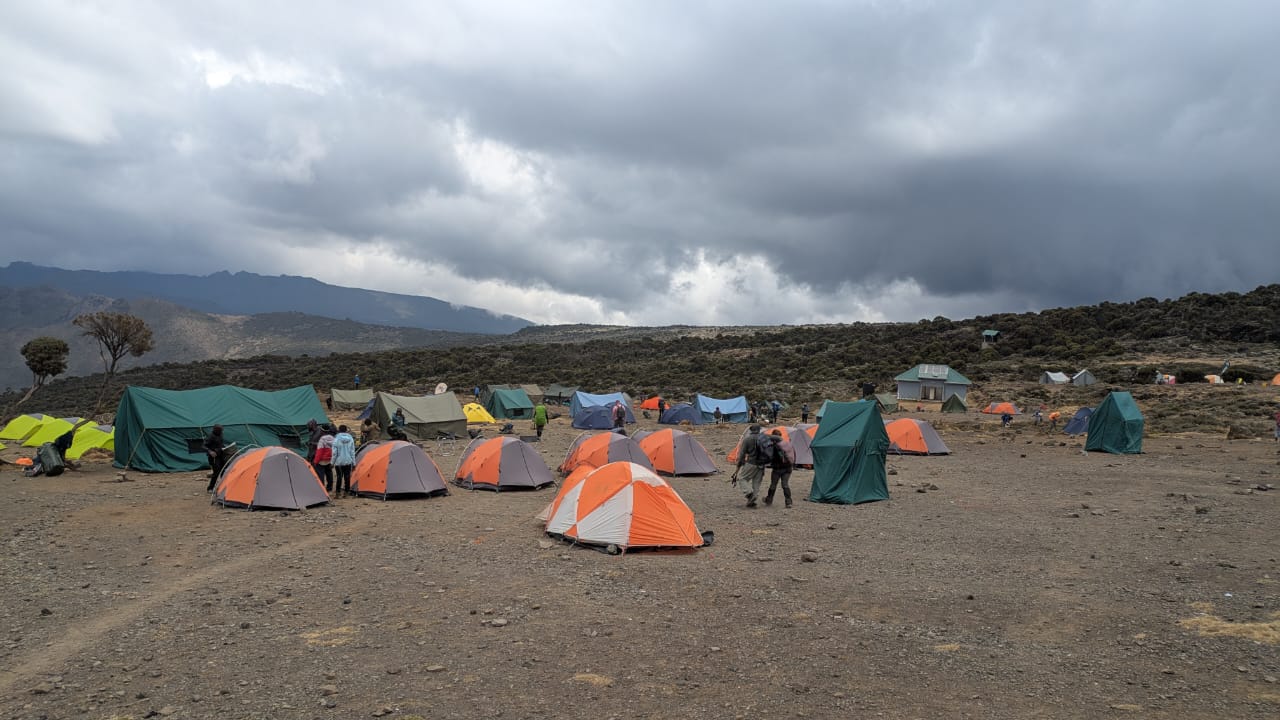
However, describing Kilimanjaro as a non-technical mountain does not mean the climb is easy. Climbers must walk for several consecutive days, sleep in mountain camps or huts, cope with cold temperatures, carry a daypack and continue ascending while oxygen levels gradually decrease. The final summit attempt can involve six to eight hours of uphill hiking during the night, followed by a long descent on the same day.
The most important part of Kilimanjaro preparation is building cardiovascular endurance. Your body should become comfortable walking for several hours without becoming completely exhausted. Regular hiking, stair climbing, cycling, swimming, jogging and brisk walking can gradually improve your stamina. Strength exercises for the legs, core, back and shoulders also help prepare your body for steep trails and carrying a daypack.
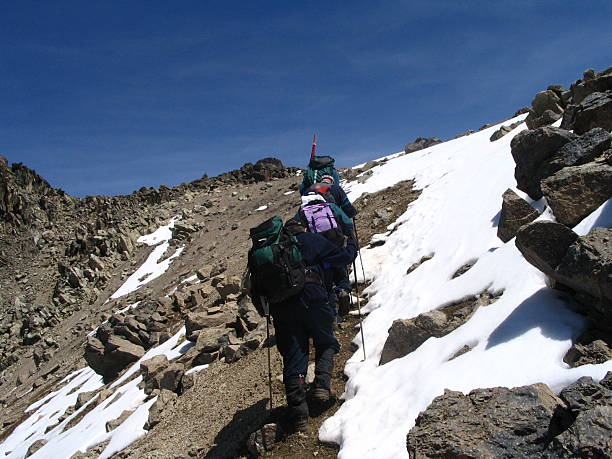
Preparation should also include practice hikes. Training on hills while wearing the boots and backpack you intend to use on Kilimanjaro allows you to test your equipment and identify problems before traveling. New boots should never be worn for the first time on the mountain because they may cause painful blisters, pressure points and foot injuries.
Altitude is another major consideration. Kilimanjaro rises to 5,895 meters above sea level, where the available oxygen is significantly lower than at sea level. Even highly trained athletes can develop altitude sickness because physical fitness does not guarantee acclimatization. Climbers should choose a longer route, walk slowly, drink enough water, eat properly and communicate honestly with their guides about any symptoms.
Mental preparation is equally valuable. Cold weather, fatigue, limited sleep and long hiking days can test your patience and motivation. Understanding the daily routine, accepting a slow pace and focusing on one step at a time can help you remain calm and positive throughout the climb.
Finally, a complete preparation plan includes medical consultation, travel insurance, a Tanzanian visa, flights, quality clothing, suitable trekking equipment and a reputable Kilimanjaro tour operator. When these elements are carefully organized, climbers can arrive in Tanzania with confidence and concentrate on enjoying the landscapes, teamwork and unforgettable journey toward Uhuru Peak.
Six Areas Every Kilimanjaro Climber Must Prepare
A strong preparation plan should cover your body, mind, equipment, health, travel arrangements and mountain strategy.
Physical Fitness
Improve cardiovascular endurance, leg strength, core stability and the ability to walk for several hours on uneven terrain.
- Brisk walking and jogging
- Stair climbing
- Strength exercises
- Weekend hiking
Altitude Awareness
Learn the symptoms of altitude sickness and understand why longer routes usually provide better acclimatization.
- Walk slowly
- Drink regularly
- Choose enough climbing days
- Report symptoms early
Correct Equipment
Bring reliable boots, warm clothing, waterproof protection, sleeping equipment and a properly fitted daypack.
- Layered clothing system
- Waterproof outer shell
- Cold-weather accessories
- Trekking poles
Mental Readiness
Prepare for cold weather, limited comfort, slow walking, changing conditions and the demanding summit attempt.
- Set realistic expectations
- Practice patience
- Stay positive
- Focus on daily progress
Health and Safety
Speak with a medical professional, discuss medications and confirm that you are healthy enough for high-altitude trekking.
- Medical consultation
- Vaccination advice
- Personal medication
- Emergency insurance
Travel Planning
Organize your visa, flights, airport transfers, accommodation, currency and arrival schedule before the climb.
- Tanzania entry requirements
- Kilimanjaro Airport flights
- Pre-climb hotel
- Travel documents
When Should You Start Preparing for Kilimanjaro?
Most climbers should begin preparing at least three months before departure. Those starting from a low fitness level may benefit from four to six months.
Plan the Climb
Research routes, choose your travel dates, compare operators and confirm the number of days available for acclimatization.
- Select a Kilimanjaro route
- Book a licensed operator
- Confirm your budget
- Review medical conditions
Begin Structured Training
Start regular cardiovascular exercise and basic strength training. Increase activity gradually to avoid injury.
- Walk or jog three times weekly
- Begin leg and core workouts
- Take a weekly practice hike
- Track training progress
Increase Hiking Distance
Begin longer walks and hill sessions. Use your hiking boots, trekking poles and daypack during training.
- Train on hills or stairs
- Carry a 4–6 kg daypack
- Test hiking socks
- Practice hydration
Complete Equipment Checks
Confirm that all essential clothing and equipment fit correctly and function properly.
- Test waterproof clothing
- Check sleeping bag temperature rating
- Organize duffel and daypack
- Purchase missing equipment
Reduce Training Intensity
Continue light activity but avoid exhausting workouts. Your body should arrive rested rather than overtrained.
- Reduce long-distance sessions
- Prioritize sleep
- Maintain hydration
- Avoid unnecessary injury risks
Rest and Finalize Travel
Check travel documents, pack carefully, confirm airport transfers and maintain a healthy routine.
- Review passport and visa
- Print insurance documents
- Pack essential medication
- Rest before departure
How to Train for Mount Kilimanjaro
Kilimanjaro training should focus on endurance rather than speed. You need to become comfortable moving slowly for many hours over several consecutive days.
Cardiovascular Training
Cardio exercise helps your heart and lungs work more efficiently. Begin with manageable sessions and gradually increase their duration.
Recommended Activities
- Brisk walking
- Jogging at a comfortable pace
- Cycling
- Swimming
- Stair climbing
- Elliptical training
- Hill walking
Strength Training
Strong legs make steep climbs and long descents more manageable, while a stable core improves balance when carrying a backpack.
Recommended Exercises
- Bodyweight squats
- Walking lunges
- Step-ups
- Calf raises
- Glute bridges
- Planks
- Back extensions
Training Should Be Progressive
Do not suddenly begin extremely long hikes or intense workouts. Increase your distance, duration and backpack weight gradually. This reduces the risk of knee pain, shin splints, muscle strain and overtraining.
12-Week Kilimanjaro Training Plan
This sample program can be adjusted according to your current fitness level, health and available training locations.
| Week | Cardio | Strength | Hiking | Main Goal |
|---|---|---|---|---|
| Week 1 | 3 sessions of 30 minutes | 2 light sessions | 1–2 hour walk | Establish a consistent routine |
| Week 2 | 3 sessions of 35 minutes | 2 sessions | 2 hour hike | Improve basic endurance |
| Week 3 | 4 sessions of 35 minutes | 2 sessions | 2–3 hour hike | Add hills or stairs |
| Week 4 | 4 sessions of 40 minutes | 2 sessions | 3 hour hike | Begin using hiking boots |
| Week 5 | 4 sessions of 45 minutes | 3 sessions | 3–4 hour hike | Carry a light backpack |
| Week 6 | 4 sessions of 45–50 minutes | 3 sessions | 4 hour hike | Increase uphill training |
| Week 7 | 4 sessions of 50 minutes | 3 sessions | 4–5 hour hike | Build sustained endurance |
| Week 8 | 5 sessions including stairs | 3 sessions | 5 hour hike | Test clothing and backpack |
| Week 9 | 4 sessions of 50–60 minutes | 2 sessions | Two hikes on consecutive days | Simulate multi-day trekking |
| Week 10 | 4 moderate sessions | 2 sessions | 5–6 hour hike | Complete the longest training hike |
| Week 11 | 3 light-to-moderate sessions | 1–2 light sessions | 3 hour comfortable hike | Begin reducing intensity |
| Week 12 | Light walking only | Gentle mobility | Short relaxed walk | Rest and recover before travel |
Train on Trails Whenever Possible
Gym training is helpful, but walking outside on uneven ground is the closest preparation for the actual Kilimanjaro experience.
Wear Your Hiking Boots
Use the boots you plan to wear on Kilimanjaro. This helps soften the materials and allows you to identify areas that may cause pressure or blisters.
Carry Your Daypack
Practice carrying water, a rain jacket, snacks, camera, sunscreen and other items you will carry during the climb.
Use Trekking Poles
Learn how to adjust and use trekking poles correctly. They reduce pressure on your knees and improve balance on steep descents.
Walk on Consecutive Days
Kilimanjaro requires repeated hiking days. Practice a long hike followed by another moderate walk the next day.
How to Prepare for High Altitude
Altitude sickness can affect anyone, regardless of age, strength or fitness. The safest approach is to ascend gradually and give your body enough time to acclimatize.
Helpful Acclimatization Strategies
- Select a seven, eight or nine-day itinerary
- Maintain a deliberately slow walking pace
- Follow the guide's instructions
- Drink small amounts throughout the day
- Use acclimatization hikes where available
- Rest properly at camp
- Avoid alcohol before and during the climb
Why Fitness Is Not Enough
A strong athlete can still develop altitude sickness because acclimatization depends on how the body responds to reduced oxygen, not only on physical strength.
Very fit climbers may even walk too quickly, increasing the risk of poor acclimatization. On Kilimanjaro, slow and steady movement is usually more valuable than speed.
Common Symptoms of Altitude Sickness
Climbers should report symptoms to their mountain guide immediately. Hiding symptoms can allow a mild condition to become dangerous.
Prepare Your Mind for the Challenge
Mental resilience helps climbers remain patient and motivated when facing cold weather, fatigue, limited sleep and long hiking days.
Expect Slow Progress
Mountain guides use a very slow pace to help climbers conserve energy and acclimatize. Do not compare this speed with ordinary hiking at home.
Accept Temporary Discomfort
Cold mornings, basic camps, dust, rain and tired legs are temporary parts of the expedition. Expecting them reduces frustration.
Focus on Small Goals
Concentrate on reaching the next rest point, drinking water, eating your meal and completing one day at a time.
Remain Flexible
Mountain weather and personal health can change quickly. Listen to guides and accept changes made for safety.
Use Positive Self-Talk
Replace negative thoughts with manageable instructions such as breathe slowly, take another step and remain calm.
Remember Safety Comes First
Reaching Uhuru Peak is an important goal, but descending safely is more important than forcing the body beyond safe limits.
Health Checks Before Climbing Kilimanjaro
Climbers with existing medical conditions should discuss the trip with a qualified healthcare professional familiar with travel and high-altitude activity.
Discuss These Health Factors
- Heart or blood pressure conditions
- Asthma or breathing difficulties
- Diabetes
- Previous altitude sickness
- Knee, ankle or back injuries
- Severe allergies
- Prescription medications
- Recent surgery or illness
Personal Medical Kit
- Prescribed medication
- Pain relief approved by your doctor
- Blister treatment
- Antiseptic wipes
- Elastic support bandage
- Personal allergy medication
- Lip balm and sunscreen
- Oral rehydration salts
Do Not Begin New Medication Without Medical Advice
Some climbers discuss altitude medication with their doctors. Whether such medication is appropriate depends on personal health, medical history and professional advice.
Prepare Your Body With Good Nutrition
A balanced diet and proper hydration support training, recovery and energy levels before the climb.
Before the Climb
- Eat balanced meals with carbohydrates and protein
- Include fruits and vegetables
- Drink water consistently
- Reduce excessive alcohol
- Avoid crash diets
- Maintain a stable, healthy routine
- Eat familiar foods before departure
During the Climb
- Eat breakfast before hiking
- Carry high-energy snacks
- Drink regularly throughout the day
- Use electrolytes when appropriate
- Continue eating despite reduced appetite
- Keep snacks accessible in your daypack
- Protect water from freezing on summit night
Kilimanjaro Packing List
Your equipment should protect you from rain, wind, dust, intense sunlight and freezing summit temperatures.
Footwear
- Waterproof hiking boots
- Camp shoes or trainers
- Moisture-wicking socks
- Warm summit socks
- Gaiters
- Blister treatment
Upper Body Clothing
- Base-layer shirts
- Long-sleeved thermal top
- Fleece jacket
- Insulated down jacket
- Waterproof shell jacket
- Light hiking shirts
Lower Body Clothing
- Hiking trousers
- Thermal leggings
- Waterproof trousers
- Comfortable camp trousers
- Underwear
- Shorts for lower elevations
Cold Weather Accessories
- Warm beanie
- Sun hat
- Neck gaiter or buff
- Inner gloves
- Insulated waterproof gloves
- Hand warmers
Bags and Sleeping Gear
- Daypack with rain cover
- Large waterproof duffel
- Warm sleeping bag
- Dry bags
- Compression sacks
- Small packing organizers
Hiking Equipment
- Trekking poles
- Headlamp
- Spare batteries
- Reusable water bottles
- Hydration bladder
- Sunglasses
Personal Care
- High-protection sunscreen
- Lip balm with sun protection
- Wet wipes
- Toilet paper
- Hand sanitizer
- Quick-dry towel
Documents
- Passport
- Tanzania visa documents
- Travel insurance certificate
- Flight confirmation
- Emergency contact details
- Copies of important documents
Useful Extras
- Portable power bank
- Camera
- Energy snacks
- Notebook and pen
- Earplugs
- Small repair tape
Use a Layering System on Kilimanjaro
Temperatures can change significantly during the day. Wearing several adjustable layers is more effective than relying on one heavy item.
Base Layer
Worn next to the skin to move moisture away from the body. Synthetic or merino materials are commonly used.
- Thermal top
- Thermal leggings
- Moisture-wicking shirt
Insulation Layer
Retains warmth in cold conditions and can be removed when temperatures rise.
- Fleece jacket
- Insulated jacket
- Warm hiking trousers
Outer Layer
Protects against wind, rain and snow while allowing moisture to escape.
- Waterproof jacket
- Waterproof trousers
- Waterproof gloves
Choose the Right Kilimanjaro Route
Route length, scenery, accommodation style, crowd levels and acclimatization profile should all influence your decision.
Lemosho Route
A scenic western approach with excellent landscape diversity and a strong acclimatization profile when completed over eight days.
Machame Route
A popular route offering varied scenery, good acclimatization opportunities and a challenging but rewarding trekking experience.
Marangu Route
The only main route using mountain huts instead of tents. Although the trail is often considered comfortable, shorter itineraries can make acclimatization more difficult.
How to Choose a Kilimanjaro Climbing Company
Your operator is responsible for logistics, guides, food, camping equipment, porter teams and mountain safety.
Look for These Standards
- Licensed Tanzania tour operation
- Experienced mountain guides
- Daily health monitoring
- Reliable emergency communication
- Quality tents and camping equipment
- Transparent prices and inclusions
- Responsible porter treatment
- Clear evacuation procedures
- Good food and clean drinking water
Be Careful With Extremely Cheap Prices
Very low prices may result from reduced guide wages, overloaded porters, poor meals, low-quality equipment or limited safety resources.
Kilimanjaro is a major expedition involving permits, park fees, staff, food, transport and equipment. Choose value, safety and professionalism rather than selecting a company based only on the lowest quotation.
Prepare Your Documents and Arrival Plans
Complete travel arrangements early so that the days before your climb remain calm and well organized.
Passport
Confirm that your passport is valid for the required period and has enough blank pages for immigration stamps.
Tanzania Visa
Review the visa requirements that apply to your nationality and complete the correct application process before travel.
Travel Insurance
Purchase comprehensive insurance that specifically covers trekking up to Kilimanjaro's summit altitude and emergency evacuation.
Flights
Kilimanjaro International Airport is the most convenient arrival airport for Moshi and Arusha.
Arrival Day
Arrive at least one or two days before the climb to recover from travel, attend the briefing and organize your equipment.
Hotel and Transfers
Confirm airport pickup, pre-climb accommodation and the time of your equipment check with the tour operator.
Common Kilimanjaro Preparation Mistakes
Many avoidable problems begin before the climb. Careful planning can prevent unnecessary discomfort and reduce risk.
What You Should Do
- Train consistently for several weeks
- Use broken-in hiking boots
- Choose enough days for acclimatization
- Test all clothing before departure
- Carry essential items in your daypack
- Communicate symptoms to guides
- Maintain a slow walking pace
- Purchase suitable travel insurance
- Arrive in Tanzania before the climb date
- Follow guide instructions
What You Should Avoid
- Buying boots immediately before departure
- Choosing the shortest itinerary only to save money
- Walking faster than the guide's pace
- Ignoring headaches or nausea
- Overpacking unnecessary items
- Using cotton as the main cold-weather layer
- Arriving exhausted after a long flight
- Skipping meals because of low appetite
- Underestimating summit night temperatures
- Hiding medical conditions from the operator
What to Expect on Kilimanjaro Summit Night
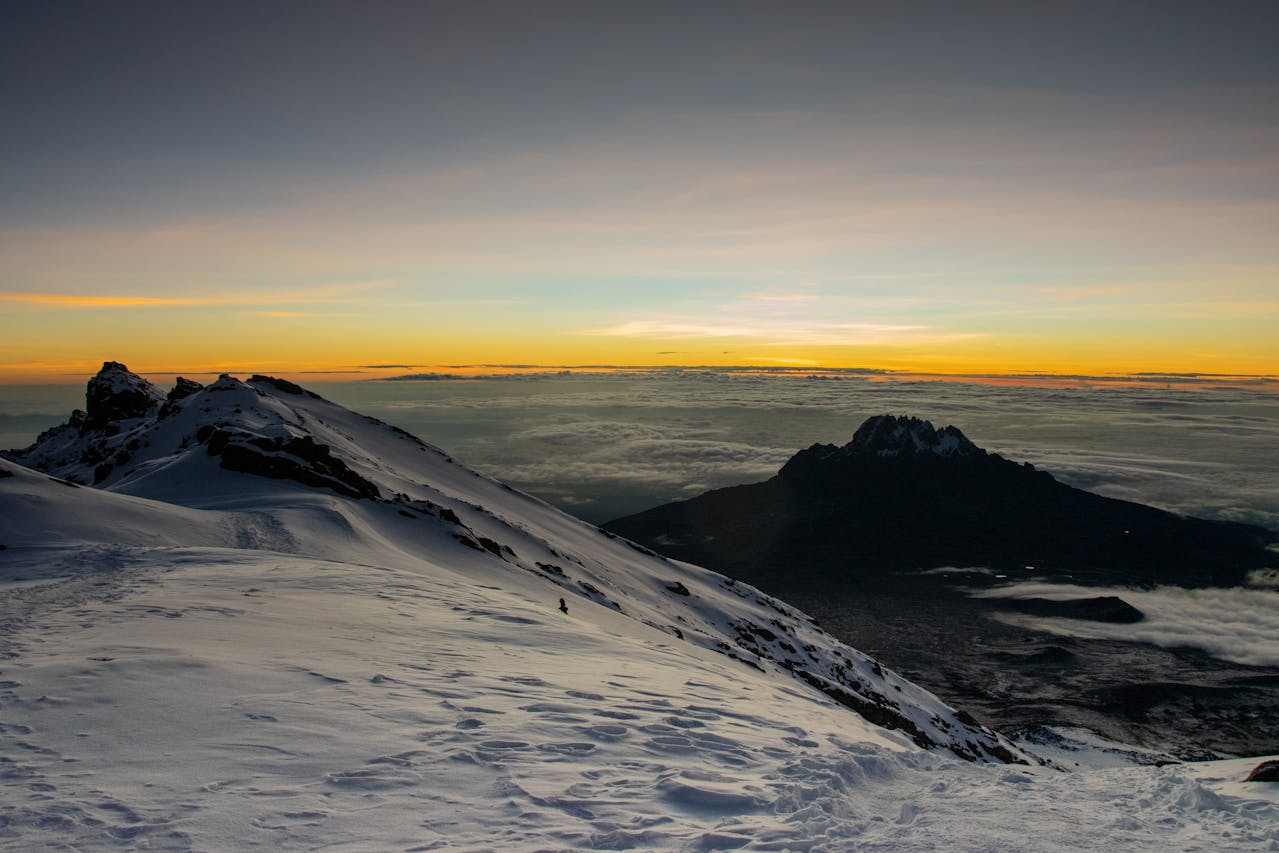
Summit night is usually the most demanding part of the climb. Climbers often begin around midnight and walk slowly toward the crater rim in darkness.
Summit Night Conditions
- Very cold temperatures
- Strong winds in exposed areas
- Loose volcanic scree
- Several hours of continuous ascent
- Reduced oxygen levels
- Limited sleep before departure
- A long descent after reaching the summit
Summit Night Preparation Tips
- Prepare all clothing before sleeping
- Keep batteries warm
- Carry easy-to-eat snacks
- Protect drinking water from freezing
- Wear several adjustable layers
- Use trekking poles
- Follow the guide's pace
- Focus only on the next few steps
Kilimanjaro Preparation FAQs
Answers to common questions from travelers planning their first Mount Kilimanjaro climb.
How long should I train for Kilimanjaro?
Most climbers should train for eight to twelve weeks. People with limited fitness experience may benefit from beginning four to six months before departure.
Do I need previous mountain climbing experience?
Technical mountaineering experience is not normally required on the standard Kilimanjaro routes. However, regular hiking experience and good physical preparation are highly recommended.
How fit do I need to be?
You should be able to walk comfortably for several hours, recover well and repeat similar activity on consecutive days. Extreme athletic ability is not necessary.
What is the hardest part of climbing Kilimanjaro?
High altitude and summit night are usually the greatest challenges. Cold temperatures, fatigue and reduced oxygen make the final ascent particularly demanding.
Should I train with a backpack?
Yes. Practice hikes should include a daypack containing water, clothing and equipment similar to what you will carry during the climb.
How heavy is the daypack?
A daypack often contains water, rain protection, warm clothing, snacks, sunscreen, personal medication and electronics. Keeping it organized and reasonably light is important.
Can beginners climb Kilimanjaro?
Yes. Many successful climbers are beginners, but they prepare carefully, select suitable routes and follow the advice of professional mountain guides.
Which route is best for acclimatization?
Longer itineraries such as the eight-day Lemosho Route or seven-day Machame Route generally provide better acclimatization than shorter alternatives.
Do I need waterproof clothing?
Yes. Rain can occur in the forest and moorland zones, while wind and snow are possible at higher elevations.
What type of boots should I wear?
Use comfortable, supportive and waterproof hiking boots that have already been tested on several long walks.
Should I buy or rent Kilimanjaro equipment?
Personal items such as boots and base layers are usually best purchased. Bulky equipment such as sleeping bags or trekking poles may be rented from reputable operators when quality and availability are confirmed.
How cold does Kilimanjaro become?
Temperatures vary by season, altitude and weather. Summit temperatures can fall well below freezing, especially with strong wind.
What should I eat before climbing?
Eat balanced meals containing carbohydrates, protein, healthy fats, fruits and vegetables. Avoid major dietary changes immediately before travel.
How much water should I drink?
Hydration needs vary between individuals. Drink regularly, follow guide recommendations and avoid waiting until you feel extremely thirsty.
Is altitude sickness preventable?
Risk can be reduced through gradual ascent, longer routes, slow walking, hydration and early reporting of symptoms. However, no preparation method completely eliminates the possibility.
Can physically fit people get altitude sickness?
Yes. Altitude sickness can affect very fit people because acclimatization is not determined only by strength or cardiovascular fitness.
Should I take altitude medication?
Medication decisions should be discussed with a qualified medical professional who understands your personal health history.
Is travel insurance required?
Comprehensive travel insurance is strongly recommended and may be required by your operator. It should cover high-altitude trekking and emergency evacuation.
How early should I arrive in Tanzania?
Arriving one or two days before the climb provides time to recover from flights, attend a briefing and resolve equipment issues.
Can I combine Kilimanjaro with a safari?
Yes. Many travelers add a Tanzania safari after the climb. Scheduling the safari after Kilimanjaro allows you to relax following the expedition.
Is summit success guaranteed?
No operator can safely guarantee summit success. Weather, altitude response, health and route duration all affect the final result.
What happens if I become sick on the mountain?
Guides assess your condition and may recommend rest, treatment, a slower pace or descent depending on the symptoms and safety risk.
Do I need trekking poles?
Trekking poles are highly useful, especially on steep descents where they improve balance and reduce pressure on the knees.
Can I charge my phone on Kilimanjaro?
Charging facilities may be limited or unavailable. Carry power banks, conserve battery and keep electronics warm in cold conditions.
Is Kilimanjaro suitable for solo travelers?
Yes. Solo travelers can join a scheduled group or book a private climb. Independent climbing without licensed mountain support is not permitted.
Start Preparing for Your Kilimanjaro Adventure
Choose the right route, train with confidence and climb with an experienced Tanzania mountain team. Proper preparation gives you the best opportunity to enjoy the journey and safely reach Africa's highest summit.
.png)
.png)